
How strategic home staging can cut days on the market and boost your bottom line
If you’re trying to get your home sold quickly—and for the best price possible—staging may be one of the most practical moves you can make. The idea is simple: present the home at its absolute best by arranging furniture, décor, and lighting in a way that highlights space, function, and style. Done well, it can change how buyers feel the moment they walk in.
A recent report suggests the payoff can be real. Roughly half of staged homes spend less time listed than comparable unstaged properties, and about 30% of the time, staging is linked to a higher sale price. In the National Association of Realtors’ 2025 Profile of Home Staging, agents representing sellers said staging often speeds up results: 30% reported homes sold “slightly” faster, while another 19% described the difference as “significant.”
Why staging works in today’s market
Buyer expectations have shifted, and it’s not hard to see why. With home design shows and renovation content everywhere, many buyers now walk into a listing expecting it to look polished and photo-ready. Nearly half of the buyer’s agents surveyed said their clients expect homes to present the way they appear on television. Only 12% of agents said staging didn’t affect buyer behavior.
At its core, staging works because it removes mental friction. Buyers don’t just want to see rooms—they want to picture a life. Thoughtful furniture placement, clean sightlines, and cohesive style help buyers imagine where they’d eat dinner, relax after work, or host family. That emotional “I can live here” moment is a powerful sales tool.
What home staging typically costs
Staging prices vary widely based on your market, the size of the home, and how extensive you want the work to be. Costs usually include two parts: a consultation or design fee, and then ongoing furniture and décor rental if the home needs to be furnished.
Pricing examples can swing dramatically. Better Homes & Gardens reported a stager in Bismarck, North Dakota, quoting around $600 to $1,800 per month, while a New York City stager estimated that staging a two-bedroom apartment could run roughly $9,000 to $16,000 per month.
Industry averages show staging is rarely “cheap,” but it’s not always out of reach. The Real Estate Staging Association reported that staging an entire home in 2024 averaged $7,351, based on an average of eight rooms staged, with entry-level staging costs starting around $600. The NAR report also found a midrange pattern: the median cost for professional staging was $1,500, while agents who staged homes themselves reported a median cost closer to $500.
Does staging actually raise the sale price?
The potential upside is one of the biggest reasons sellers consider staging. RESA reported that staged occupied homes sold for an average of nearly $70,000 above list price—though results like that can depend heavily on the local market and the specific home.
NAR’s findings point to a more modest—but still meaningful—price effect: 35% of buyers’ agents reported staged homes had higher dollar value than similar unstaged listings. Many of those increases were relatively small (up to 5%), but nearly 1 in 5 agents said staging pushed value up by 6% or more.
To visualize what “small” can mean in real money, consider a nationwide median sale price of $407,300. A 1% bump equals about $4,073. A 5% lift is roughly $20,365. Even after staging costs, that kind of difference can matter.
If you can’t afford full staging, do this instead
You don’t need a magazine-level overhaul to make your home show better. If budget is tight, start by removing anything that distracts buyers from the space itself. Decluttering makes rooms feel larger, cleaner, and more neutral. It also reduces the sense that the home is “someone else’s,” which can quietly limit emotional connection.
Real estate broker Robert Washington of Savvy Buyers Realty has offered this rule of thumb: keep things like furniture and family photos reasonable, but pack away items that are highly personal or polarizing—collections, busy displays, and anything that could make buyers focus on your belongings rather than the home.
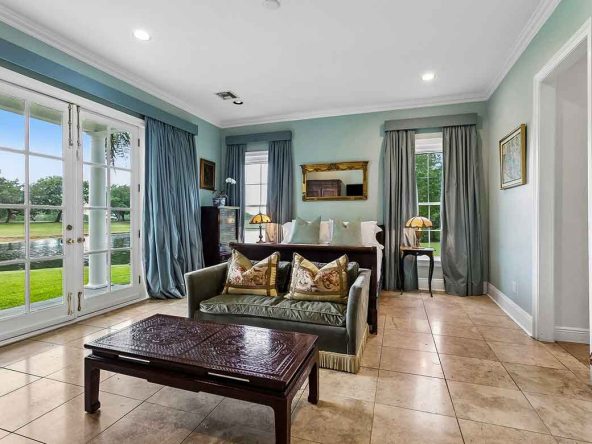
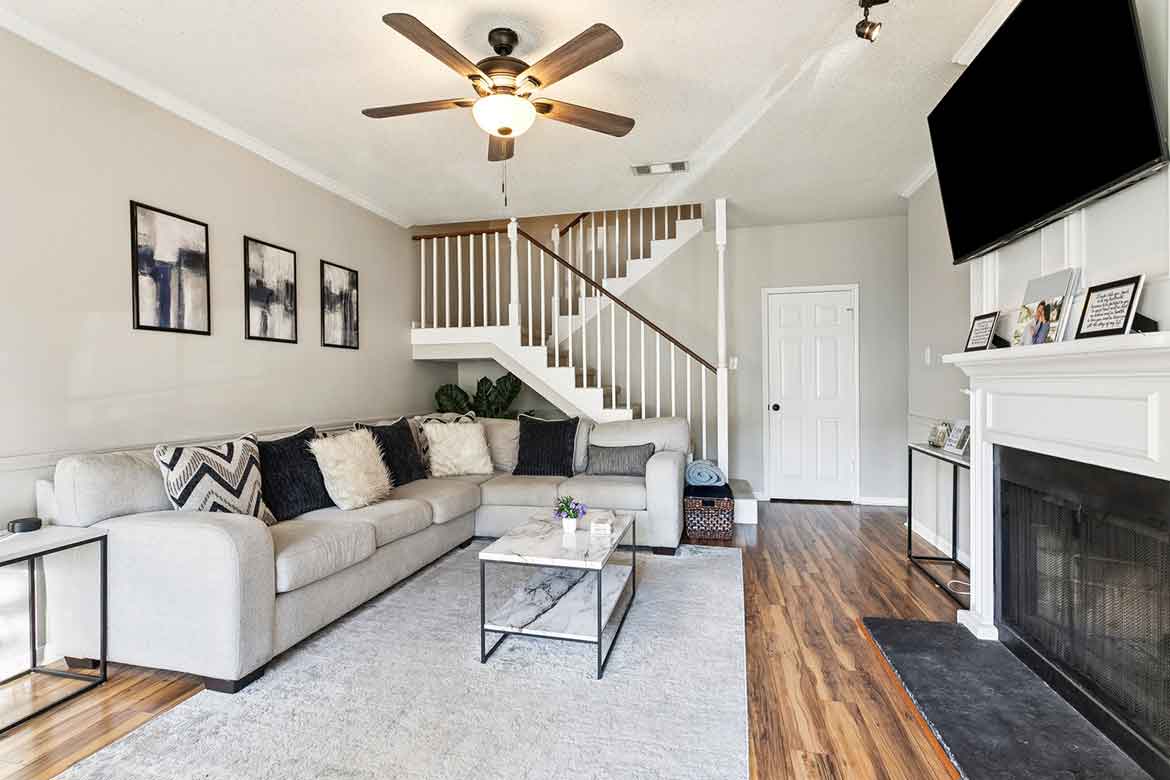
Another smart cost-control move is targeting the rooms that matter most. According to NAR’s data, the living room is the top staging priority—91% of sellers’ agents who stage focus there. The primary bedroom follows at 83%. Dining rooms and kitchens come next. The least staged spaces tend to be kids’ rooms and guest bedrooms, which often don’t influence buyer decisions as strongly.
Staging isn’t magic, and it’s not mandatory—but it can be a high-leverage upgrade when you’re trying to stand out, attract stronger offers, and reduce time on the market. If you can stage professionally, great. If you can’t, you can still borrow the principles: simplify, brighten, depersonalize, and emphasize the rooms buyers care about most. In many cases, that’s enough to help your home feel like the one.